Travel greener in Mauritius
Small habits that protect the lagoon, the forests and the people who live here.
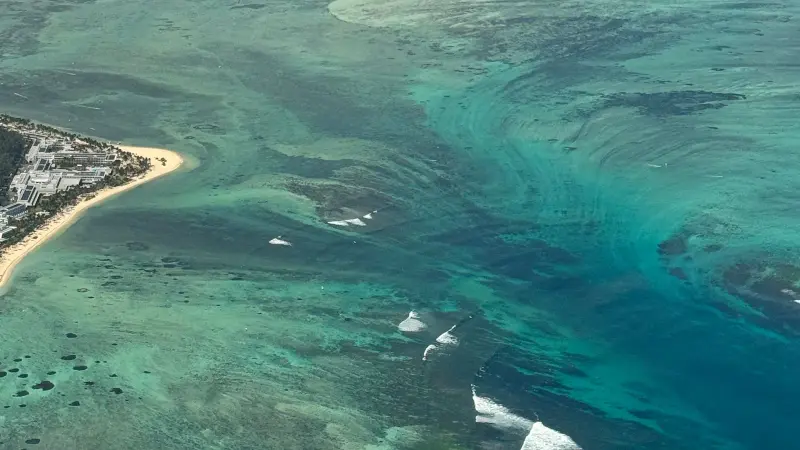
The lagoon and the coral reef are what make Mauritius so beautiful, and they are fragile. Rising sea temperatures, pollution and too many careless visitors all leave a mark. The good news: a few simple habits make a real difference.
Use reef-safe sunscreen
Some sunscreen ingredients, especially oxybenzone and octinoxate, are linked to coral damage. Choose a mineral sunscreen (zinc oxide or titanium dioxide), put it on 20 minutes before swimming so it can soak in, and wear a rash vest or a T-shirt in the water: it protects you better and means less cream in the lagoon.
Marine parks: look, do not touch
Blue Bay and Balaclava are protected marine parks, home to some of the healthiest coral around the island. Follow the rules given by your boat crew and the park signs.
- Never stand on, touch or kick the coral. Float, or wear a life jacket if you are not a confident swimmer.
- Do not feed the fish, and never take shells, coral or sea creatures out of the water.
- Keep your distance from turtles and dolphins, and choose boat operators that do the same.
- Pick glass-bottom boats and operators that use moorings instead of dropping anchors on the reef.
Respect nature reserves
Mauritius lost the dodo, but conservation has brought other species back from the edge, like the pink pigeon and the Mauritius kestrel. You can see native forest in Black River Gorges National Park and on guided visits to small island reserves such as Île aux Aigrettes.
Stay on marked trails, take your litter home, do not pick plants, and do not feed the monkeys: it makes them aggressive and unhealthy.
Less plastic, less waste
Bring a reusable water bottle and a shopping bag. Many hotels have water refill points. Say no to plastic straws and pick up any rubbish you see on the beach: there is often more than you think after a windy day.
Water can be short in the dry season. Short showers and reusing towels help.
Support local businesses
Your money does the most good when it stays on the island. Stay in a family guesthouse for some nights, eat at local snack bars and markets, hire Mauritian guides and drivers, and buy crafts made in Mauritius rather than imported souvenirs.
Never buy coral, shells or turtle products, even if they are on sale.
Find local guides, drivers and guesthouses in our local directory
Getting around
Group your outings by area to drive less, share a driver for day trips, and try the bus or the Metro Express light rail for short journeys between towns.

Free Mauritius cheat sheet
One printable page with everything you need on the island: emergency numbers, our top 10 places, money, plugs, driving tips and a few useful Kreol phrases.
Thank you!
Check your inbox in a few minutes. You can also open the cheat sheet right now: Open the cheat sheet
Frequently asked questions
What is reef-safe sunscreen?
A sunscreen without the chemical filters linked to coral damage, such as oxybenzone and octinoxate. Mineral sunscreens with zinc oxide or titanium dioxide are the usual choice.
Are there marine parks in Mauritius?
Yes. Blue Bay in the southeast and Balaclava in the northwest are protected marine parks. Do not touch the coral, do not feed the fish and follow your boat crew's instructions.
Can I take shells or coral home from Mauritius?
Please do not. Shells and coral are part of the reef ecosystem, and taking them out of Mauritius may be illegal. Buy local crafts instead.
How can I travel more sustainably in Mauritius?
Use reef-safe sunscreen, respect marine parks and nature reserves, cut plastic, save water and spend your money with local guesthouses, guides, restaurants and makers.